


39jl | Exploring the Strategic Depths: A Dive into the Thrilling World of Strategy Games
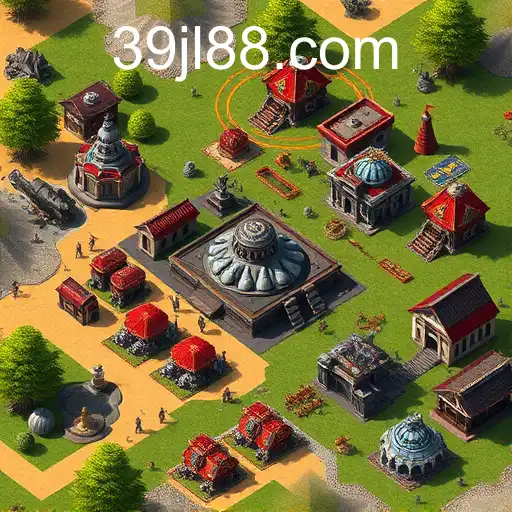
In the vast and diverse realm of video gaming, few categories command as much respect and admiration as strategy games. Recognized for their requirement of tactical acumen, long-term planning, and adaptive thinking, strategy games offer players a unique blend of intellectual challenges and rewarding gameplay experiences.
From the earliest board games to the latest digital releases, strategy games have captivated human imagination for centuries. Players are tasked with making decisions that influence the outcome of the game, often balancing resources, managing units, and devising plans to outwit opponents. Whether leading troops on a battlefield, building expansive civilizations from the ground up, or managing complex economic networks, the strategic depth offered by these games is immense.
There are two primary types of strategy games: turn-based and real-time. Turn-based strategy games allow players to take their time to consider each move carefully, leading to thoughtful and deliberate gameplay. Games like 'Civilization' and 'XCOM' exemplify this sub-genre, where every decision can have far-reaching consequences. Real-time strategy (RTS) games, on the other hand, require instant decision-making and quick reflexes. Titles such as 'StarCraft' and 'Age of Empires' challenge players to think on their feet while managing resources and coordinating attacks in real-time.
The appeal of strategy games lies in their ability to simulate complex scenarios and the autonomy they provide players within these systems. Unlike many other genres, success here depends less on fast reflexes and more on sound judgment and adaptability. Players often find themselves drawn into the narrative and mechanical interaction of these games, with their success or failure heavily dependent on their strategic prowess.
The evolution of technology has broadened the horizons for strategy games. With advances in artificial intelligence, game developers have been able to craft more nuanced and challenging opponents. Additionally, the rise of online multiplayer gaming has opened up strategy games to global competition, allowing players to test their skills against others from around the world.
Strategy games encourage critical thinking, problem-solving, and patience. They can serve as powerful educational tools, teaching players to plan ahead, manage resources efficiently, and remain adaptable in changing circumstances. Beyond the cerebral challenge, there is immense satisfaction to be found in seeing one's plans come to fruition.
In conclusion, strategy games occupy a cherished place in the gaming ecosystem. Whether enjoyed casually with friends or competitively on the global stage, they offer players a chance to engage in a mental duel, crafting plans, and outsmarting opponents. For anyone interested in testing their strategic abilities, the world of strategy games is rich with opportunities.
